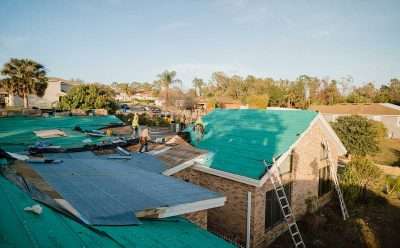
Facing a leaky roof or planning a full roof replacement? Like many property owners, you may be contemplating if it’s worth it to hire a roofer or just tackle the job yourself. On the surface, doing it yourself may seem like the more budget-friendly choice, but there’s a lot more to consider than just the upfront cost of your roofing project.
From safety concerns and material quality to long-term financial impact and resale value, your decision will shape not only your roof’s performance but also your home’s overall protection. We’re going to compare DIY roofing and professional roofing side-by-side so you can make the right call for your Central Florida home or business.
The Real Cost Comparison: DIY vs Professional Roofing
When comparing the cost to hire a roofer vs DIY, it’s important to look beyond the price tag on materials. While DIY roofing might seem cheaper at first, professional roofing offers long-term value, expertise, and often fewer surprises along the way.
Upfront Costs of DIY Roofing
DIY roofing requires more than just heading to the home improvement store for a few bundles of shingles. You’ll need to purchase or rent tools like nail guns, ladders, roofing harnesses, and scaffolding. High-quality roofing materials may be available at retail prices, which are typically higher than the contractor rates professionals receive.
Then there are roofing permits and scheduled inspections, which are essential for legal compliance and resale value but often overlooked in DIY budgets. Many homeowners also miss hidden costs that can significantly increase the project’s budget such as waste disposal, protective equipment, and repair materials for unexpected hidden damage uncovered mid-project.
True Cost of Hiring a Professional Roofer
The cost to hire a roofer includes labor, materials, and overhead, but it also brings peace of mind. Licensed contractors like Skymark Roofing work with bulk suppliers for better pricing on materials, often balancing out markup concerns.
Labor costs reflect years of roofing experience and proper installation techniques, which reduce the likelihood of costly errors. Plus, professional services often come with warranties and guarantees, ensuring your investment is protected for years to come—something DIY projects can’t offer.
Installing roofing materials yourself, in many cases, will void manufacturer’s warranties that only apply when the materials are installed by a licensed roofing contractor. If the materials fail (even if you installed them correctly) and there is resulting damage to your roof or building, you may not be able to recoup your initial costs and end up spending even more to fix the problem.
Long-Term Financial Impact
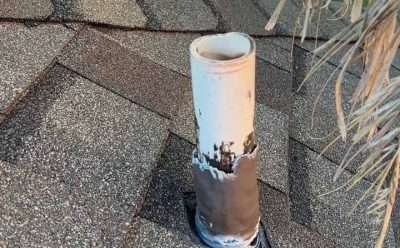
Fixing DIY roofing mistakes can cost more than hiring a roofer in the first place. Improper installation may void your home insurance coverage or lead to moisture issues that go unnoticed until significant damage is done.
Insurance companies may also be hesitant to pay claims if they discover your roof wasn’t installed by a licensed contractor. On the flip side, a professionally installed roof can enhance your resale value, boost curb appeal, and instill confidence in future buyers—making it a smart long-term investment.
Safety Risks: Why Roofing Is One of the Most Dangerous DIY Projects
Roofing is one of the most hazardous tasks a homeowner can attempt. Without proper training and protective gear, even a quick repair can turn into a life-threatening situation. That’s why roofing contractor safety vs DIY is such an important factor in your decision.
Alarming Statistics on Roofing Accidents
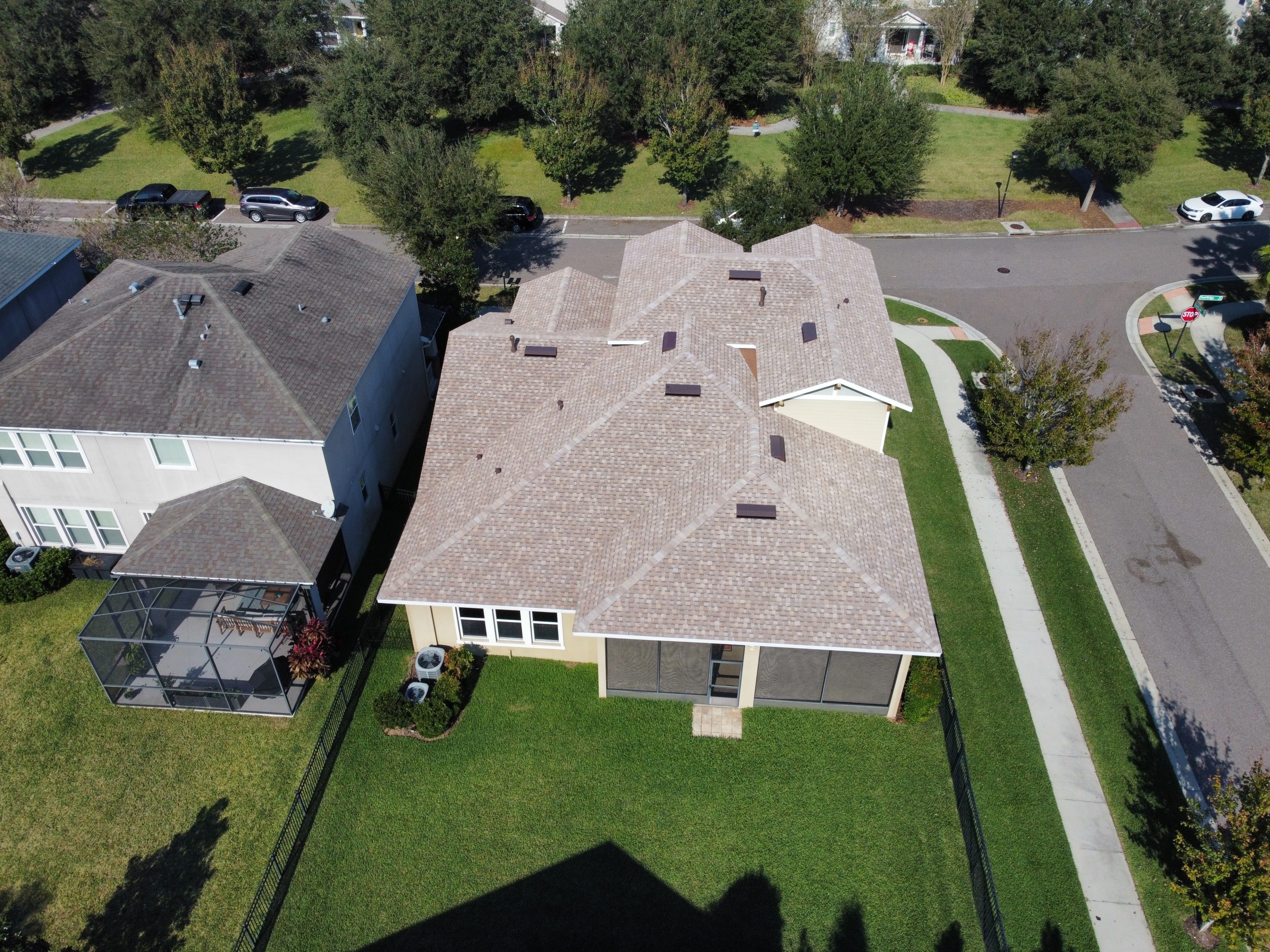
According to the CDC, falls from ladders account for hundreds of deaths and thousands of injuries each year in the U.S. Many of these accidents involve homeowners attempting roof repairs. Even experienced roofers face injury risks, but they’re trained to minimize them through safety protocols.
For DIYers, roof replacement introduces additional dangers such as steep slopes, unstable decking, and unpredictable weather. Each of these factors increases the chance of an accident. Also Read: Dangers of DIY Roof Repair
Safety Equipment and Training Requirements
Professional roofers use commercial-grade fall protection systems, including harnesses, guardrails, and specialized anchors. The cost to purchase or rent this safety equipment can be significant, and knowing how to use it correctly requires hands-on training, not just online tutorials.
Without this training, it’s difficult to assess roof stability, navigate weak spots, or secure materials properly. These techniques are essential for staying safe during the job.
Liability and Insurance Concerns
If you’re injured during a DIY roofing project, your homeowner’s insurance may not cover the medical bills. Worse yet, if a friend or neighbor helps and gets hurt, you could be held liable.
Professional roofers, like Skymark, carry liability insurance and workers’ comp to protect both their crew and your property. These protections are another reason why hiring a professional roofer is often the safer—and smarter—choice.
Expertise Gap: What Professional Roofers Know That You Don’t
A roof isn’t just a layer of shingles: it’s a system of materials working together to protect your home from Florida’s heat, humidity, and hurricanes. When you hire a roofer, you’re gaining access to specialized knowledge you won’t find in a weekend YouTube binge.
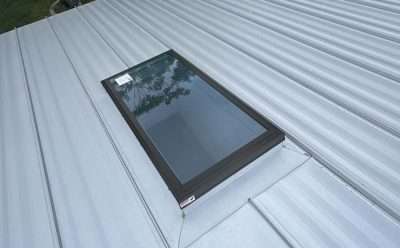
Experienced roofing contractors understand how to evaluate complex roofing systems and select the right underlayment, flashing, and ventilation solutions for your specific property.
They also ensure compliance with local building codes and permitting requirements, which helps avoid costly fines and project delays. Plus, professional roofers know how to identify underlying issues, like rotten decking or inadequate insulation, that you might miss entirely during a DIY inspection.
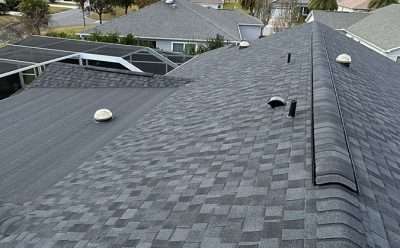
Choosing the right roofing materials and guaranteeing they’re installed correctly is critical for long-term durability. Professionals are trained to spot mismatches and weaknesses that could lead to early failure or water infiltration.
Time Investment and Project Complexity
DIY roofing is a major time commitment and often far more complex than homeowners expect. From learning new skills to coordinating material delivery and accounting for unpredictable weather, roofing requires more than just effort: it requires expertise.
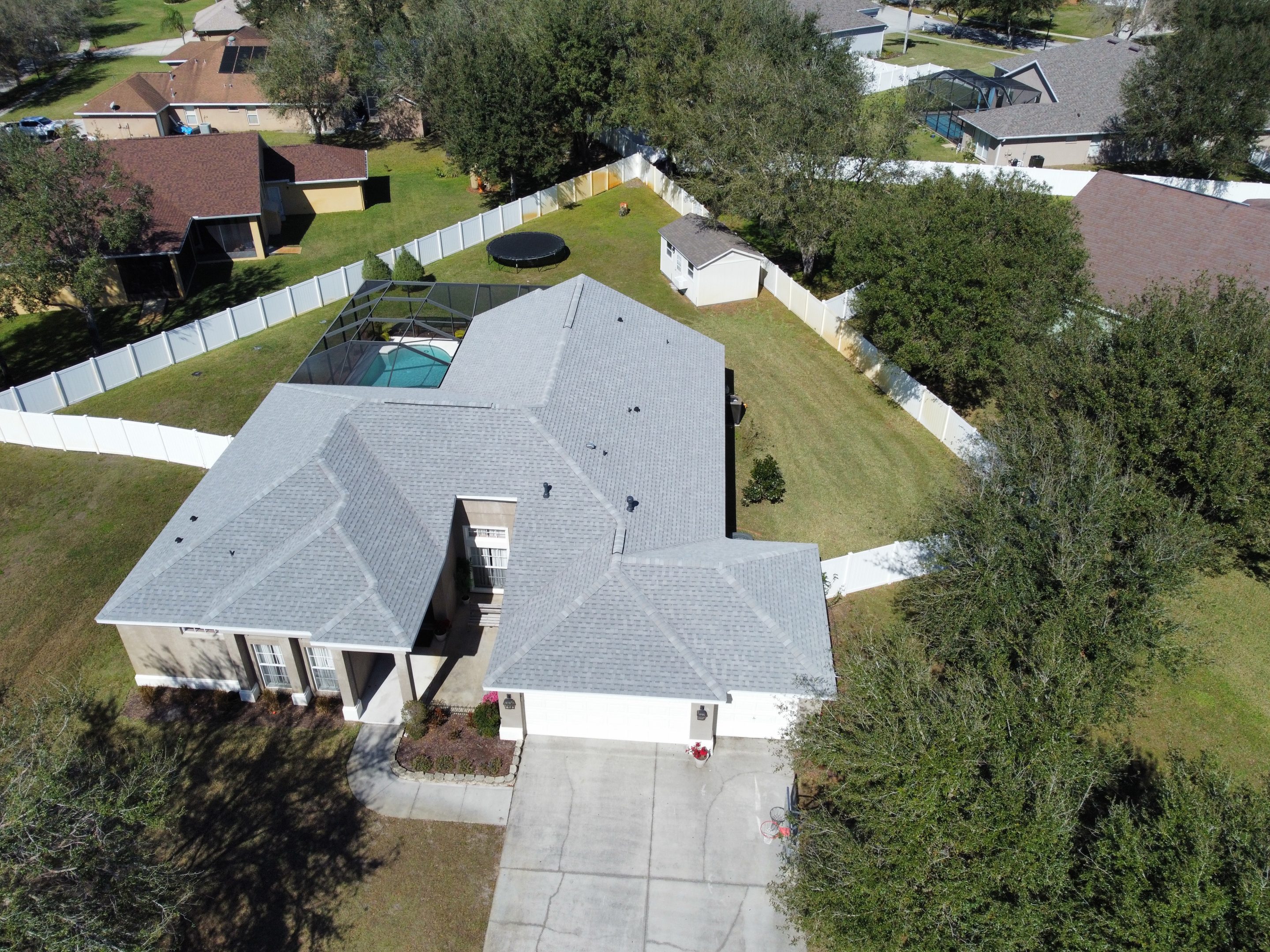
A typical roof replacement by a professional team might take 1–2 days. That same job could take a DIYer several weekends, especially when working around a full-time job.
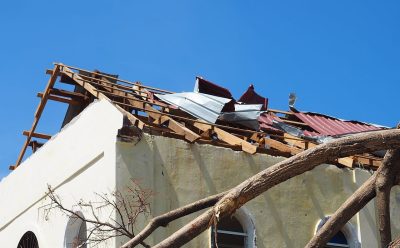
In Florida, weather dependency is another concern. Afternoon thunderstorms and hurricane threats mean missed workdays, wet materials, and longer delays. Without strong project management skills, timelines can easily spiral, leaving your home vulnerable.
Quality is also a factor. Professional roofers follow strict standards to make sure your roof has proper flashing, sealing, and ventilation—details that impact your roof’s lifespan. Even minor DIY errors in installation can lead to leaks, mold, or structural damage down the road.
When to Hire a Professional Roofer
So, when should you hire a professional roofer? If your project involves more than a minor patch or cosmetic fix, it’s almost always worth calling in the pros. For Central Florida homeowners and business owners, the combination of climate, permit requirements, and storm preparedness makes roofing a job best left to licensed experts. Learn how to hire a roofing contractor you can trust.
Whether you’re installing a new roof, making structural repairs, or simply unsure what your roof needs, the team at Skymark Roofing is here to help. Backed by decades of experience, a strong safety record, competitive pricing, and a reputation for quality work, we offer both residential roofing and commercial roofing services throughout Central Florida.
Ready for a Safer, Smarter Roofing Experience?
Don’t put your safety or your home at risk. Contact Skymark Roofing today for a professional roof inspection, expert recommendations, and a no-pressure quote. We’ll make sure your roof is ready to stand up to Florida’s toughest weather.